

When emotions feel overwhelming and life seems unmanageable, Dialectical Behavior Therapy (DBT) offers practical skills to help you regain control, build resilience, and create a life that feels truly worth living.
What is DBT?
Dialectical Behavior Therapy was developed by Dr. Marsha Linehan in the 1980s, originally to treat individuals with borderline personality disorder and chronic suicidality. Since then, it's been adapted and proven effective for a wide range of emotional and behavioral challenges.
The word "dialectical" refers to the integration of opposites. At the heart of DBT is the balance between acceptance and change—learning to accept yourself and your current situation while also working to create positive changes in your life.
The Four Core Skill Modules
DBT teaches four sets of skills that work together to help you manage emotions, navigate relationships, and build a fulfilling life:
1. Mindfulness
Mindfulness is the foundation of DBT. It teaches you to be fully present in the moment without judgment. Skills include:
- Observe: Notice your experience without getting caught up in it
- Describe: Put words to what you're experiencing
- Participate: Throw yourself fully into activities
- Non-judgmentally: Let go of evaluating things as good or bad
- One-mindfully: Focus on one thing at a time
- Effectively: Do what works in the situation
2. Distress Tolerance
Life inevitably brings painful moments. Distress tolerance skills help you survive crises without making things worse. These include:
- TIPP: Temperature, Intense exercise, Paced breathing, Paired muscle relaxation
- STOP: Stop, Take a step back, Observe, Proceed mindfully
- Pros and Cons: Weighing the consequences of acting on crisis urges
- Radical Acceptance: Fully accepting reality as it is, even when it's painful
- Self-Soothing: Using your five senses to comfort yourself
3. Emotion Regulation
These skills help you understand, reduce vulnerability to, and change unwanted emotions:
- Identifying Emotions: Naming what you're feeling
- Checking the Facts: Evaluating whether your emotional response fits the situation
- Opposite Action: Acting opposite to the urge driven by an emotion
- Problem Solving: When the emotion fits the facts, changing the situation
- ABC PLEASE: Building a life that reduces emotional vulnerability
4. Interpersonal Effectiveness
These skills help you navigate relationships while maintaining self-respect:
- DEAR MAN: Describe, Express, Assert, Reinforce, stay Mindful, Appear confident, Negotiate
- GIVE: Be Gentle, act Interested, Validate, use an Easy manner
- FAST: Be Fair, no Apologies, Stick to values, be Truthful
Who Benefits from DBT?
While originally developed for borderline personality disorder, DBT has proven effective for:
- Emotion dysregulation
- Self-harm and suicidal thoughts
- Eating disorders
- Substance use
- Depression
- Anxiety
- PTSD
- Bipolar disorder
- Impulsive behaviors
What DBT Treatment Looks Like
Comprehensive DBT typically includes:
- Individual Therapy: Weekly sessions to work on personal goals and apply skills to your life
- Skills Group: Weekly group sessions to learn and practice the four skill modules
- Phone Coaching: Brief calls between sessions for real-time skill application
- Therapist Consultation Team: Ensures your treatment team provides the best care
In individual therapy, I incorporate DBT skills and principles tailored to your specific needs, even if you're not participating in a full DBT program.
The Dialectical Philosophy
A key aspect of DBT is learning to hold two seemingly opposite truths at once:
- You are doing the best you can AND you need to do better
- You can accept yourself as you are AND work toward change
- You can feel intense emotions AND act effectively
This "both/and" thinking replaces rigid "either/or" patterns, creating space for growth and self-compassion.
Learn More from Trusted Sources
- NIH: DBT Current Indications and EvidenceComprehensive research review from NIH
- Behavioral Tech InstituteFounded by Dr. Linehan, the creator of DBT
- DBT-Linehan Board of CertificationCertification standards for DBT practitioners
A Skill You Can Try Now: STOP
When you're in a moment of emotional intensity, try this DBT skill:
- S - Stop: Don't react immediately. Freeze in place.
- T - Take a step back: Take a breath. Remove yourself from the situation if needed.
- O - Observe: Notice what's happening inside and around you.
- P - Proceed mindfully: Consider your goals and values, then choose how to respond.
Building Your Life Worth Living
DBT isn't just about managing symptoms—it's about creating a life that feels meaningful, connected, and worth living. The skills you learn become tools you'll use for the rest of your life.
If you're struggling with intense emotions, impulsive behaviors, or feeling like life is unmanageable, DBT skills might offer the practical help you've been looking for. I'd be honored to discuss whether this approach could support your journey toward the life you want to build.
Ready to explore if this approach is right for you?
Schedule a free consultation to discuss your needs and goals.
Request a Consultation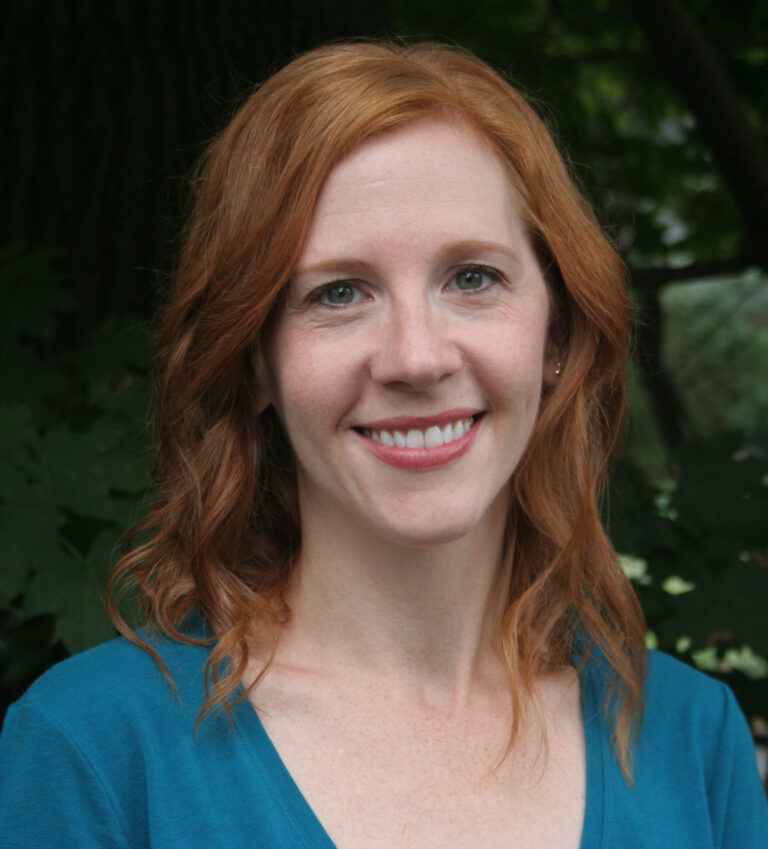
Karen Freedgood, LCSW
Karen is a licensed clinical social worker with over 20 years of experience helping individuals navigate trauma, anxiety, and life transitions. She specializes in EMDR, IFS, and other evidence-based approaches, creating a warm and supportive environment for healing.