
Have you ever noticed how a single negative thought can spiral into a cascade of anxiety, self-doubt, or despair? Cognitive Behavioral Therapy (CBT) offers a practical, skills-based approach to breaking free from these mental patterns.
Understanding the Thought-Feeling Connection
At the heart of CBT is a simple but powerful insight: our thoughts, feelings, and behaviors are all interconnected. The way we interpret events shapes how we feel, and those feelings influence what we do. When we get stuck in patterns of negative thinking, it can create a cycle that affects every aspect of our lives.
CBT was developed in the 1960s by psychiatrist Aaron Beck, who noticed that his depressed patients often had streams of negative thoughts that seemed to arise automatically. He called these "automatic thoughts" and discovered that by identifying and challenging them, patients could experience significant relief from their symptoms.
Common Cognitive Distortions
One of the first steps in CBT is learning to recognize cognitive distortions—habitual ways of thinking that don't serve us well. Some common examples include:
- All-or-Nothing Thinking: Seeing things in black and white categories ("If I'm not perfect, I'm a total failure")
- Catastrophizing: Expecting the worst possible outcome ("This headache must be something serious")
- Mind Reading: Assuming you know what others are thinking ("They must think I'm incompetent")
- Should Statements: Rigid rules about how things must be ("I should always be productive")
- Personalization: Taking blame for things outside your control ("It's my fault they're in a bad mood")
- Emotional Reasoning: Believing something is true because it feels true ("I feel anxious, so there must be danger")
How CBT Works in Practice
CBT is a collaborative, structured approach. In our sessions, we'll work together to:
- Identify problematic thoughts: Learn to notice when automatic negative thoughts arise
- Examine the evidence: Look at whether these thoughts are based in reality
- Develop alternative perspectives: Create more balanced, realistic ways of thinking
- Practice new behaviors: Test out new ways of responding to challenging situations
- Build lasting skills: Develop a toolkit you can use independently
What Makes CBT Different
Unlike some forms of therapy that focus extensively on the past, CBT is primarily focused on the present. While we may explore how certain thinking patterns developed, the emphasis is on practical strategies you can use right now to feel better.
CBT is also typically time-limited. Many people see significant improvement within 12-20 sessions, though this varies based on individual needs and goals. Throughout treatment, you'll learn skills that you can continue using long after therapy ends.
Conditions CBT Can Help
CBT is one of the most extensively researched forms of psychotherapy, with strong evidence supporting its effectiveness for:
- Depression
- Anxiety disorders
- Panic disorder
- Social anxiety
- Obsessive-compulsive disorder (OCD)
- Phobias
- Insomnia
- Chronic pain
- Eating disorders
CBT Techniques You Can Try Today
While working with a therapist provides structure and support, here are some CBT-inspired techniques you can start practicing:
- Thought Records: When you notice a strong emotion, write down the situation, your automatic thoughts, and the evidence for and against those thoughts
- Behavioral Experiments: Test your predictions by trying new behaviors and observing what actually happens
- Activity Scheduling: Plan activities that bring pleasure or a sense of accomplishment, especially when motivation is low
- Graded Exposure: Gradually face feared situations in small, manageable steps
Learn More from Trusted Sources
- NIMH: Psychotherapies OverviewNational Institute of Mental Health guide to therapy types
- NCBI: Cognitive Behavioral TherapyComprehensive overview from the National Library of Medicine
- APA: What is Cognitive Behavioral Therapy?American Psychological Association's guide to CBT
Is CBT Right for You?
CBT works best for people who are ready to actively participate in their treatment. If you're looking for practical tools, are willing to complete exercises between sessions, and want to focus on creating change in the present, CBT might be an excellent fit.
That said, therapy is not one-size-fits-all. During our initial consultation, we'll discuss your goals and whether CBT—or perhaps a combination of approaches—would best serve your needs.
Ready to explore if this approach is right for you?
Schedule a free consultation to discuss your needs and goals.
Request a Consultation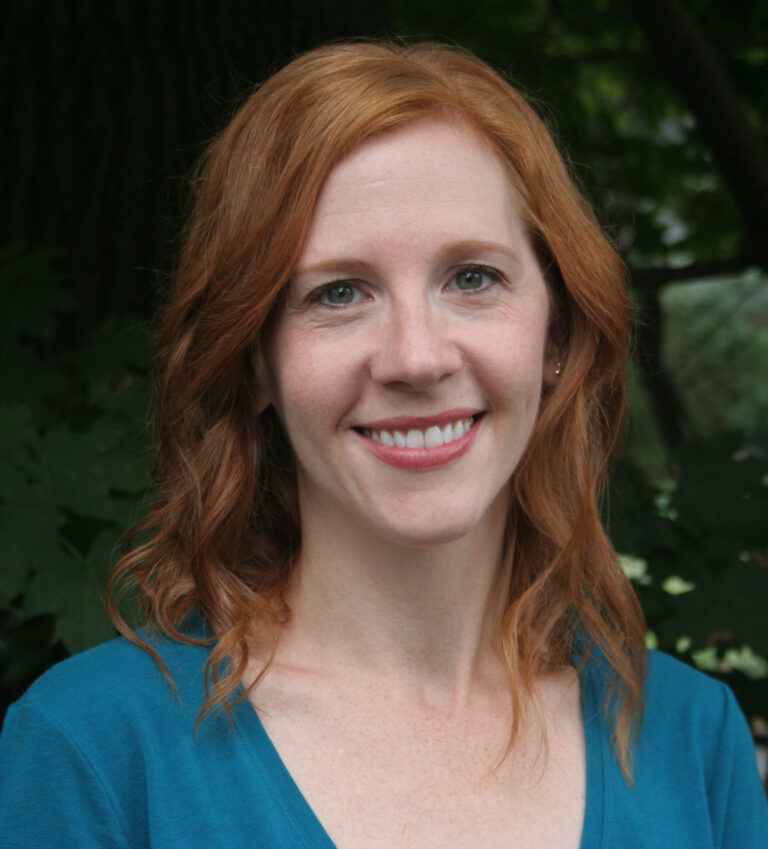
Karen Freedgood, LCSW
Karen is a licensed clinical social worker with over 20 years of experience helping individuals navigate trauma, anxiety, and life transitions. She specializes in EMDR, IFS, and other evidence-based approaches, creating a warm and supportive environment for healing.