Advisory: It is well known that millions of patients use technologies including AI chatbots, wellness apps, and symptom trackers. As of October 2026, there are no FDA cleared AI chatbots for psychotherapy in the U.S. Certain apps have received limited designation for use in very narrow patient populations. According to an APA health advisory, "GenAI chatbots were not created to deliver mental health care, and wellness apps were not designed to treat psychological disorders, but both technologies are frequently being used for those purposes." We know you're curious about AI for therapy and want to provide a balanced discussion. Click here to schedule a consultation. In therapy, we create a relationship built on trust and use evidence-based approaches to help you feel better. We can also discuss your questions on how to safely navigate new technologies like AI.
Is it good to use AI for mental health?
When you are feeling low, anxious, or overwhelmed, it is completely natural to look for immediate relief. If you have ever typed "Is it good to use AI for mental health?" or "I'm depressed, should I be using AI to help?" into a search bar late at night, you are far from alone. Many people are experimenting with chatbots when they cannot sleep, or feeling a strange mix of comfort and guilt after talking through heavy emotions with an automated tool.
The digital world is changing at a breakneck pace. Technologists such as Bill Gates liken AI to a "foreign intelligence with a different set of motivations that we can't even understand." Does this sound like a technology that is safe to use for therapy?
Gates insists AI is not merely a technological event, but an evolutionary moment for humanity. While there is certainly a degree of hype and uncertainty in these statements, we must acknowledge that artificial intelligence is no longer just a workplace tool. It is showing up in our private emotional lives and has the potential to profoundly reshape our culture simply by way of the huge investment large companies are making to push AI into every facet of daily life.
Whether you are dealing with eco-anxiety, thinking about the environmental toll of data centers, carrying a deep weight about job automation, or having confusing emotional loops like compulsive AI interactions, your stress is real. And it deserves a real, human response.
Can an AI chatbot be your next therapist?
They are available 24/7, they never seem tired, and they always have an answer. But beneath that convenience lies a fundamental clinical reality: today's AI is an inference engine, not a conscious being. It uses math (lots and lots of math) to guess the next word in a sequence, but it does not know you, it does not care about you, and it cannot hold a genuine therapeutic space for your healing.
The most important warning I have for patients about AI for therapy is that AI is known to create a "false sense of therapeutic alliance."
If you have been to therapy, you may already recognize that the trusting and non-judgmental relationship between patient and provider is one of the most reliable predictors of successful treatment outcomes. In other words, patients are scientifically proven to make more progress when their therapist "gets them" and they feel at ease. AI systems are one-sided, even if it feels like there's someone else there.
Additionally, AI models are prone to hallucination (making things up) and sycophancy (telling you exactly what you want to hear to keep the conversation going). As a qualified mental health provider I am trained to modulate my interactions with patients. That means I am both supporting and challenging in service of a patient's best interest.
Expecting a breakthrough from an algorithm is like expecting software to heal a physical illness. It can process data, but it cannot do the deep, transformative work of human therapy. When people try to use chatbots to self-medicate through deep emotional pain, the results can be unpredictable, isolating, and sometimes deeply harmful.
Real Pain in a Digital Age: When AI Harms
The impact of artificial intelligence goes beyond casual chat. For many, it is becoming a direct source of psychological trauma and distress. You might be seeking support because of:
- Economic displacement: Feeling overwhelming stress, identity loss, or burnout after your job or industry was changed or replaced by automation.
- Environmental grief: You experience eco-anxiety and despair over the water and energy consumption required to power the tech infrastructure growing around us.
- Compulsive behaviors: You find yourself trapped in hidden, isolating habits, which might include AI-generated pornography or compulsive digital reliance. These might leave you feeling disconnected from real relationships or feeling guilty.
Therapy is not about finding a single rigid formula or an automated quick fix. It is about the authentic, collaborative work you do with a professional who helps you unpack complex patterns, build resilience, and find safe ground when the world feels overwhelming. You do not have to navigate the anxieties of a tech-driven world by yourself.
Q&A with therapist Karen Freedgood on AI and mental health
1. Let's start this conversation off honestly: Do you yourself use AI and how? As a therapist vs. in your private life?
Yes! I've used it for mundane household tasks like putting a list of dates onto my calendar and even some basic parenting tactics. My spouse works in a field that is being changed by AI and also deals with the environmental consequences so it's a daily discussion topic at home.
2. Would you ever recommend using AI as part of therapy if a patient wasn't already using it or thinking about it?
No. I would never tell a patient that AI can treat a condition or that they're better off with a chatbot. That might seem obvious but AI is not FDA cleared to treat any condition and at present the harms and risks outweigh the benefits in clinical settings.
3. When patients share that they are using AI between sessions, what impacts are you seeing—good, bad, or neutral?
Neutral. Patients have shared cases where chatting temporarily made them feel better and that's not surprising. But I honestly don't know of any clinician whose patient has had a positive breakthrough from AI, nor would I ever expect that. Before AI there were person-to-person conversations happening across digital communities such as forums, Reddit, and Facebook and those had their own impacts both positive and negative.
4. How important is it for patients to bring their AI usage and digital habits into the open during sessions?
Only if a patient wants to share. That's true of anything they bring into therapy. Current APA guidance suggests therapists should be asking patients proactively about AI usage, knowing that it's so common. In my experience, it depends on the patient and what they're in therapy for. There may be other more relevant concerns to discuss first.
5. How do you help patients who are experiencing deep distress, burnout, or grief specifically tied to the rise of AI—such as job displacement, eco-anxiety over environmental impacts, or economic uncertainty?
I cannot share my trade secrets (just kidding). In therapy we approach distress, burnout and grief using tried-and-true, evidence-based approaches including CBT, DBT, and IFS. That applies regardless of the acute source of a patient's distress. I know that AI affects everyone differently. For some it's an exciting opportunity but for many it brings dread. I'm here for you no matter where you are.
6. For individuals struggling with compulsive digital habits or behaviors like AI-generated pornography, how can therapy help?
We would start by exploring the numbing aspect of consuming AI-generated media. What is it that you're numbing or avoiding? In therapy, we get at the cause and not just the surface behavior or effect. Some AI content is entertaining and I'm sure we'll see more of the good as well as the bad.
7. What kinds of AI usage are dangerous or clearly undermine the therapeutic process?
Perhaps making a direct comparison (I also asked AI and it said...) with a course of treatment could potentially undermine the therapeutic process. It's important to understand that AI cannot be "right" because it's just making inferences or guesses in response to what you prompt it with. As your therapist my goal isn't to be "right," it's to help you feel better. When it comes to mental health, people have to check AI, not the other way around.
8. Are there certain conditions or vulnerabilities which predispose a person to get more harm than good from AI?
We are the experts in ourselves, not AI. Someone struggling with low self-confidence might experience more harm than good. It's that sycophantic aspect of AI that might create a surface level, temporary high without actually working on the underlying cause.
9. What uses of AI for mental health are absolutely off-limits because they are medically inappropriate or unsafe?
Absolutely avoid AI for dealing with childhood trauma, suicidal ideation, really any kind of crisis that you feel you are in. Adverse events have occurred with AI and I'd absolutely want my patients talking to me immediately. When we work together, we establish clear protocols for reaching me, or getting other immediate help, if you're in crisis.
10. What relatively safe boundaries or supplementary tools can patients use if they want to integrate technology without losing the human core of healing?
Journaling and symptom tracking tools are fairly safe and can work with or without AI features. I'd say the same about certain wellness apps for exercise routines or other supportive activities and hobbies. Frequency also matters. Use technology tools sparingly and not all day everyday.
11. Where do you think we'll be in the next 2 to 3 years on AI for mental health?
As AI takes off, we're all going to need more mental health support. That's a safe bet for a disruptive technology that some people liken to an "evolutionary moment."
Access to mental health care is very poor in the U.S. so I think it's likely that we'll see tech companies trying to sell AI therapy solutions as a way to expand access or increase affordability by automating it or somehow altering the role of the human practitioner. Without years of study, that would be very problematic and we'll need smart Federal policy among other guardrails to protect what's best for people.
Even if there were approved AI tools for therapy available in the U.S. in the next few years, I would take the same approach to treatment that I do today: therapy is about the relationship between the therapist and the patient. We build the relationship and trust first. Then we can use all of the tools and treatment modalities that are most effective and accessible for you.
Resources For Other Practitioners: Professional and Ethical Guidance on AI and Therapy
- APA: Health Advisory on Chatbots and Wellness AppsThe American Psychological Association's guidance on AI chatbots and wellness apps
- APA: Artificial Intelligence and Machine LearningResources on how AI is shaping psychology and mental health care
Ready to explore if this approach is right for you?
Schedule a free consultation to discuss your needs and goals.
Request a Consultation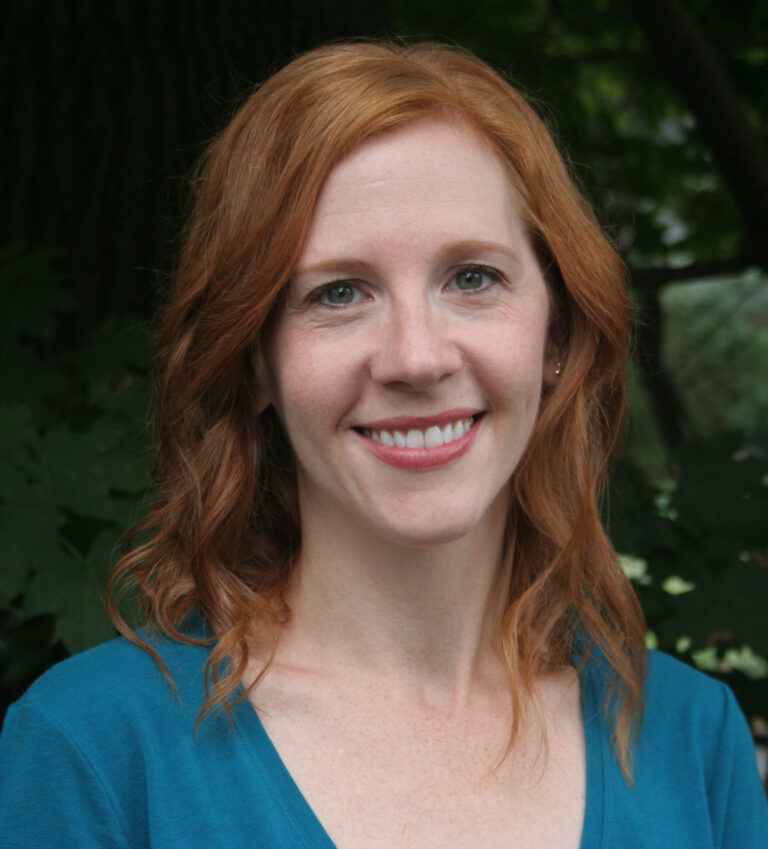
Karen Freedgood, LCSW
Karen is a licensed clinical social worker with over 20 years of experience helping individuals navigate trauma, anxiety, and life transitions. She specializes in EMDR, IFS, and other evidence-based approaches, creating a warm and supportive environment for healing.